
As standalone off-grid lighting systems, intelligent solar street lights rely heavily on rigorous factory testing to ensure long-term reliability in harsh outdoor environments. A comprehensive testing procedure is not merely a pre-shipment checkpoint but a thorough validation of design margins, manufacturing consistency, and system compatibility. Generally, the process of solar street lighting is structured into three sequential phases: component-level verification, system integration tests, and full-unit burn-in trials.
Phase 1: Core Component Performance Validation
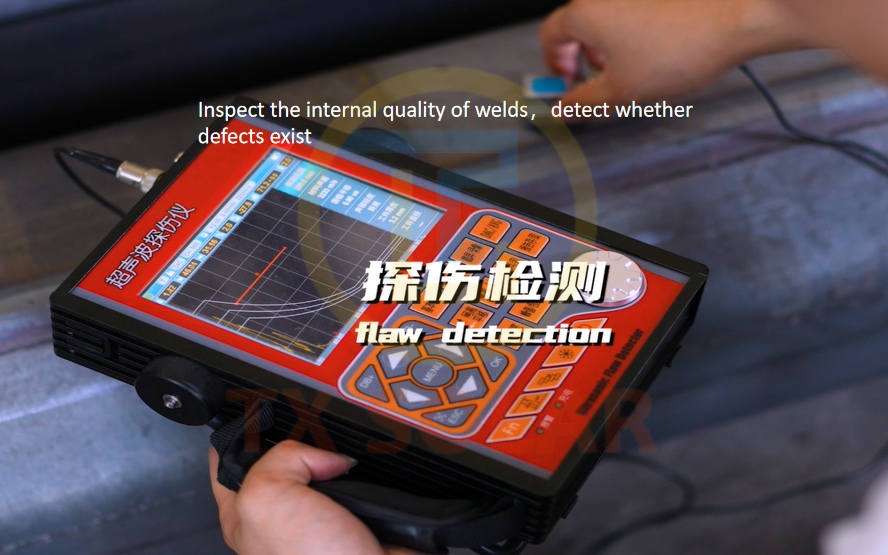
The procedure begins with independent assessments of critical parts. PV modules undergo electrical performance testing, including I-V curve tracing, maximum power point tracking (MPPT) efficiency, and low-irradiance response, supplemented by electroluminescence (EL) imaging to detect micro-cracks or solder joint defects. Lithium battery packs are subjected to capacity grading, charge-discharge cycle tests, and thermal chamber simulations (-20°C to 60°C) to verify actual usable energy under climatic extremes. The charge controller—the system’s “brain”—must pass overcharge/over-discharge protection checks, reverse polarity tests, and load short-circuit trials, alongside calibration of its PWM or MPPT algorithms.
Phase 2: System Integration and Functional Commissioning
Once individual components qualify, they are assembled into a functional unit for integrated testing. This stage replicates real-world operational scenarios using adjustable solar simulators and programmable resistive/electronic loads. Key verification items include: lux-threshold sensitivity (switch-on/off at correct dusk/dawn levels), time-based dimming accuracy (multi-stage power reduction schedules), and autonomous adaptation to consecutive rainy days (verifying whether the system intelligently curtails output to preserve critical lighting). Simultaneously, electrical safety tests—insulation resistance, dielectric strength, and grounding continuity—are mandatory to eliminate shock or fire hazards.
Phase 3: Full-System Burn-In and Final Inspection
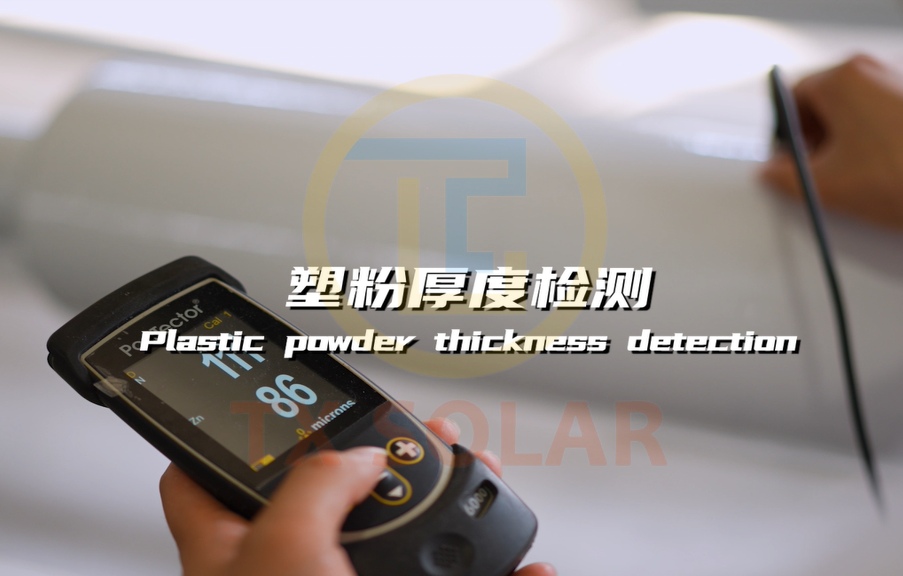
This is the most “combat-like” phase. The complete luminaire assembly is placed in environmental chambers under cyclic conditions (e.g., 60°C heat, -20°C frost, and damp-heat at 85% RH) while driving actual LED loads continuously for 72 to 168 hours. Throughout this period, data on charging current, depth of discharge, and component temperature rise are logged; any drift beyond specified thresholds triggers rejection. Finally, mechanical integrity checks—IP65/IP66 enclosure verification, torque re-tightening of mounting bolts—and packaging drop tests are conducted to safeguard against transportation damage.
The Deeper Significance: From Compliance to Exceedance
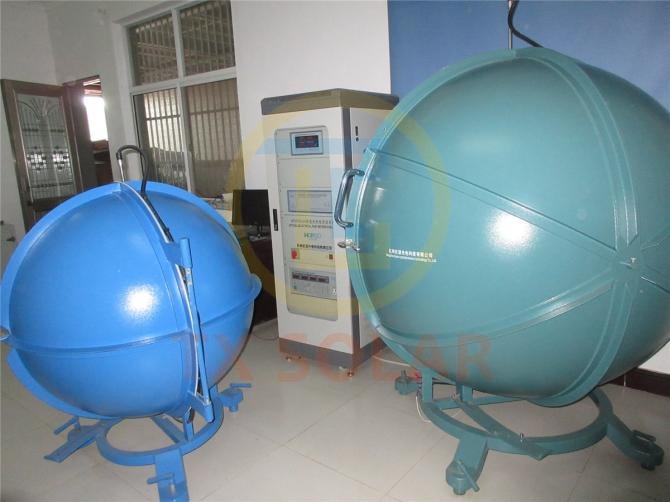
A well-executed testing regimen serves two overarching purposes: screening out early-life failures and generating empirical data for design optimization. For end-users, detailed test reports of solar street lighting directly translate to reduced site failure rates and prolonged system lifecycles—often exceeding 5–8 years of maintenance-free operation. For manufacturers, adherence to recognized quality frameworks (ISO 9001) and third-party certifications (CE, RoHS, UL) facilitates market access across diverse regions, from European cities to African rural electrification projects. More importantly, the iterative feedback from testing drives continuous improvement—whether in battery thermal management or in refining the algorithm that balances energy harvest against load consumption.
In essence, these factory procedures shift risk mitigation from the installation field to the production floor. They ensure that every intelligent solar street light leaving the factory not only meets design specifications but also withstands the unpredictability of weather, temperature swings, and grid-independent operation. As such, rigorous testing is not an expense but an indispensable investment—a commitment to quality that underpins every successful large-scale deployment of solar street lighting worldwide.
Post time: Aug-18-2026


